Review: Kitchen Cutting Board Mockup Vol 41 for Embroidery
As a designer who spends half my life staring at stitch charts and the other half trying to sell finished goods on Etsy, I have learned that the difference between a "nice" product and a "bestseller" often comes down to presentation. We are not just selling an embroidered item; we are selling the lifestyle it represents. This is why I was particularly interested in evaluating Kitchen Cutting Board Mockup Vol 41. It falls under the broad categories of Kitchenware and Graphics, but its true value lies in how it helps us visualize our machine embroidery design work before a single needle pierces the fabric.
I approached this mockup with a specific goal in mind: testing its viability for a custom gift set project. The idea was to create a personalized kitchen towel and matching apron set for a housewarming client, featuring a cute cutting board illustration. I needed to see if this digital asset could accurately reflect the texture, scale, and visual weight of an actual embroidered patch or direct-to-garment style print. Here is my honest breakdown of how Kitchen Cutting Board Mockup Vol 41 performs in real-world scenarios.
First Impressions and Visual Personality
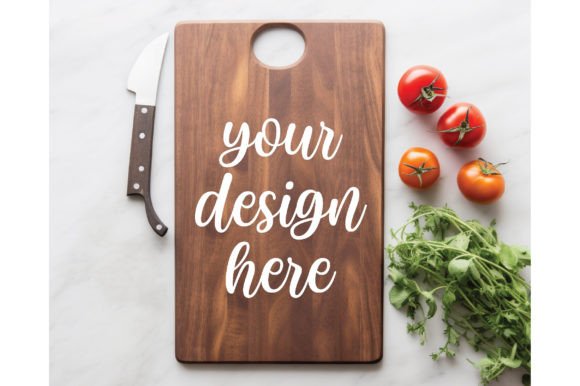
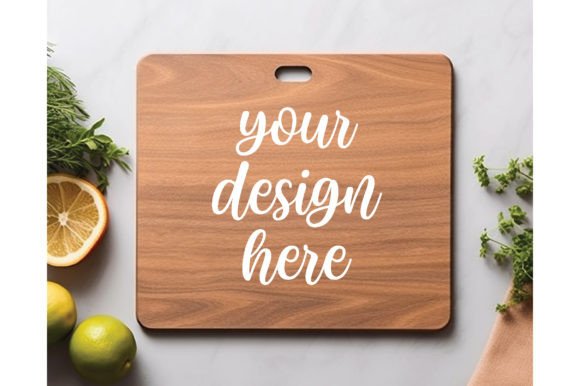
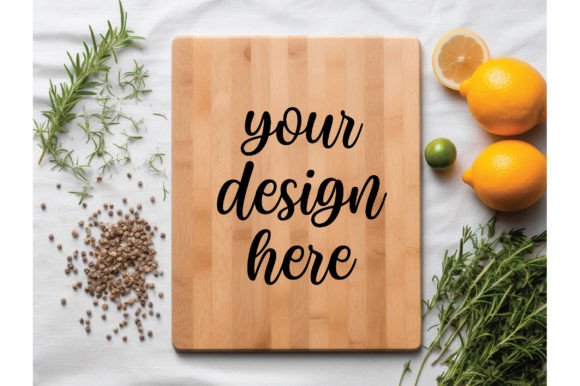
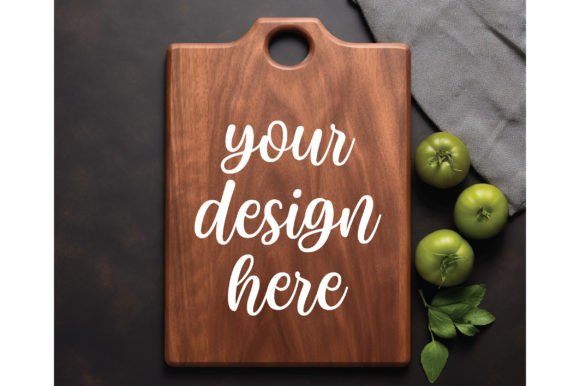
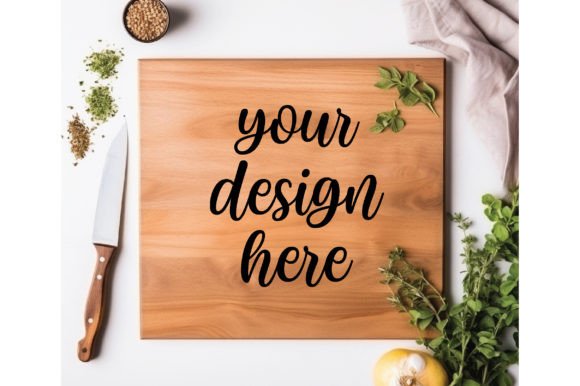
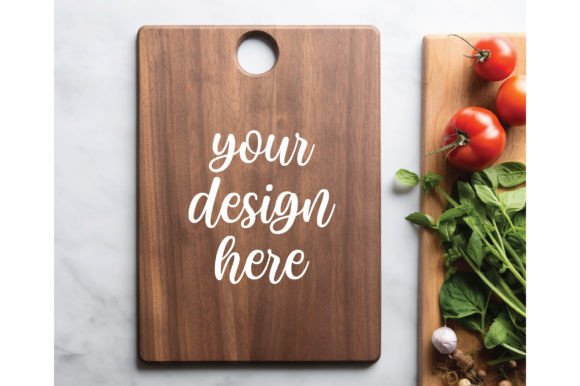
The moment you load the file, the mood is immediately established. This isn’t just a sterile white background; it carries a warm, domestic aesthetic that feels right at home in a cozy farmhouse kitchen or a modern minimalist pantry. The layout is clean, allowing the central subject—the cutting board illustration—to take center stage without distraction. For designers working on personalized gift items, this clarity is crucial. It allows you to focus on the details of your own artwork, whether it’s a watercolor-style vegetable drawing, a bold SVG cut file text, or a delicate floral border.
Visually, the mockup strikes a balance between rustic charm and professional polish. It suggests that the final finished product will feel handmade and authentic, yet high-quality enough to justify a premium price point. When I placed my test designs onto the board surface within the mockup, the lighting and shadows seemed to mimic natural daylight, which is exactly how customers will view these items in their own homes. This realism is what builds customer trust before they even click "buy."
Real-World Application: From Screen to Stitch
Let’s talk about utility. How does this digital embroidery file asset translate to physical products? In my workflow, I frequently use mockups to preview how a design looks on various substrates. Kitchen Cutting Board Mockup Vol 41 proved exceptionally useful for simulating custom apparel and home decor items.
I tested the mockup against several common embroidery project types:
- Tote Bag Design: By overlaying the cutting board graphic, I could visualize how a large, centered fill stitch pattern would look on a canvas tote. The mockup helped me determine that the design needed slightly larger scaling to maintain impact on such a bulky fabric.
- Sweatshirt Embroidery: When imagining this as a chest logo on a heather grey sweatshirt, the mockup’s neutral tones allowed me to assess contrast effectively. It highlighted the importance of choosing the right thread colors to ensure the cutting board illustration pops against darker fabrics.
- Aprons and Tea Towels: These are staples for any Etsy seller focusing on kitchenware. The mockup provided a realistic preview of how a detailed satin stitch outline might hold up on cotton twill or linen blends, helping me decide where to simplify intricate corners to avoid stitching issues.
This versatility makes it an essential tool for craft business owners who need to showcase multiple product variations from a single design source. It bridges the gap between the abstract world of digitizing and the tangible reality of the handmade product.
Where Caution Is Required
No mockup is perfect, and as a reviewer, I must highlight areas where designers should exercise caution. While Kitchen Cutting Board Mockup Vol 41 excels at general presentation, it has limitations when simulating highly textured or complex surfaces.
For instance, if you are planning to place this design on a curved surface like a baseball cap or a structured visor, the flat nature of the mockup may not fully convey the distortion that occurs during stitching. Similarly, for projects involving textured fabrics like heavy terry cloth or boucle, the mockup’s smooth background might give a false sense of how the stitch density will interact with the pile of the material. Always remember that a mockup is a visualization aid, not a substitute for physical sampling.
Additionally, be mindful of small details. If your original design includes tiny lettering or fine decorative accents, the resolution of the mockup might not accurately represent how those elements will render after washing. I recommend inspecting these areas closely and considering simplifying them if the final product requires frequent laundering.
Practical Designer Notes for Success
To get the most out of this resource, I suggest following a few practical steps before committing to production. First, always test your design on scrap fabric using your intended stabilizer and thread choices. This ensures that the embroidery file behaves as expected on different materials. Second, review your design in black and white mode within your editing software to check contrast levels independently of color distractions. Third, confirm the licensing terms associated with Kitchen Cutting Board Mockup Vol 41. While many such assets are free for personal use, commercial usage rights for selling small shop products can vary. Ensure you are compliant to protect your brand reputation.
Finally, consider the emotional resonance of your final piece. A well-executed embroidery project tells a story. Whether it’s a holiday embroidery gift for a family member or a boutique branding item for a local cafe, the quality of your presentation matters. Using a high-quality mockup like this one signals professionalism and attention to detail, qualities that discerning buyers appreciate.
Final Verdict
In conclusion, Kitchen Cutting Board Mockup Vol 41 is a valuable addition to the toolkit of any creative entrepreneur dealing in kitchen-themed goods. It offers a realistic, aesthetically pleasing way to present your design assets to clients and customers. While it cannot replace physical testing for complex applications, it serves as an excellent preliminary step in the design process. For those looking to elevate their printable mockup library and improve their conversion rates through better visuals, this file delivers solid performance. Just remember to pair it with sound technical practices—proper hoop size selection, appropriate thread tension, and careful fabric choice—to ensure your final creation matches the promise shown in the mockup.