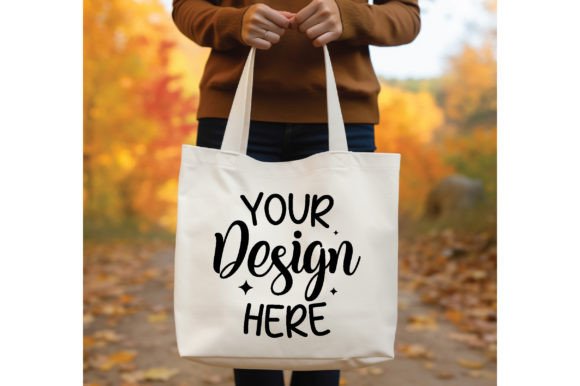
Review: Fall White Tote Bag Mockup 22 for Embroidery Projects
As a designer who spends half my life staring at stitch charts and the other half worrying about how a design will hold up after five wash cycles, I approach every new asset with a healthy dose of skepticism. The market is flooded with generic templates that look great on screen but fall apart in real-world application. That is why I took Fall White Tote Bag Mockup 22 for a spin. I wanted to see if it could bridge the gap between a simple digital preview and a high-end, handcrafted reality.
This isn't just about showing off an illustration; it's about presenting a tangible product that feels premium. Whether you are an Etsy seller preparing listings, a boutique owner curating holiday gifts, or a hobbyist making personalized gifts for family, the way you present your work dictates how customers perceive its value. Here is my practical breakdown of how this mockup performs when you strip away the marketing fluff and look at the actual utility for embroidery designers and small business owners.
The First Impression: Mood and Visual Personality
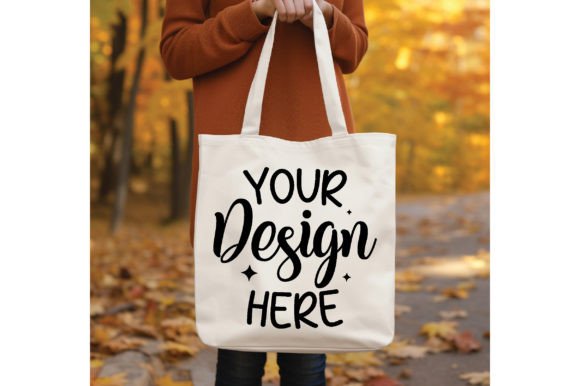
When you first load Fall White Tote Bag Mockup 22, the immediate takeaway is its clean, neutral canvas. In the world of graphics and tote bags, white is both a blessing and a challenge. It offers maximum contrast for almost any thread color palette, which is crucial for showcasing the vibrancy of your thread colors. However, it also leaves no room for error regarding lighting and shadows.
The mood created by this mockup is crisp, modern, and slightly rustic due to the implied "fall" theme without being overly seasonal. It feels like a piece of art rather than a cheap promotional item. For a designer, this is vital. When you display your machine embroidery design on a bag that looks stiff, plastic, or poorly lit, customers assume the stitching quality is low. This mockup provides a realistic fabric texture that suggests weight and durability. It tells the viewer, "This is a handmade product," before they even read the description.
Real-World Application: From Screen to Stitch
I evaluated this mockup specifically for its ability to represent various embroidery project types. While it is labeled as a tote bag, the visual principles apply broadly to how we present custom apparel and accessories.
- Custom Apparel and Sweatshirts: If you use this layout to visualize sweatshirt embroidery, the white background helps simulate how light-colored cotton blends interact with dense fills. It allows you to check if your fill stitch areas look too heavy or if the satin stitch borders have enough definition.
- Baby Items and Nursery Decor: For those selling baby embroidery or nursery wall hangings, the softness of the mockup’s presentation is key. It mimics the gentle aesthetic parents look for. If your design features delicate running stitch details, this mockup highlights them effectively against the white space.
- Holiday Gifts and Boutique Merchandise: As we move into the gift-giving season, holiday embroidery designs need to pop. This mockup serves as an excellent printable mockup for Etsy listings. It frames your digital embroidery file in a context that feels ready-to-wear, increasing buyer confidence.
The versatility here is high. You can easily swap out the central design element to test how your Svg cut File or watercolor illustration translates into a stitched format. It acts as a bridge between your initial concept and the final finished product.
Where Caution Is Required: Limitations and Pitfalls
No tool is perfect, and Fall White Tote Bag Mockup 22 has specific constraints that designers must navigate. Understanding these prevents costly mistakes in your craft business.
First, consider the scale. This mockup works best for medium-sized designs. If you are attempting to showcase a tiny embroidered patch or intricate corner details, the resolution might not capture the nuance of a fine stitch density. Always zoom in to 100% on your monitor. If the details blur in the mockup, they will likely be lost in production.
Second, think about fabric interaction. A white tote bag implies a sturdy canvas or cotton blend. If your design is intended for a stretchy jersey knit or a textured linen, this mockup may mislead the customer about how the fabric drapes or how the stitches sit on the surface. Stretchy fabrics require different stabilizer choices and hoop sizes, which this static image cannot convey. Be transparent with your clients if you are using this template for garments that behave differently than structured totes.
Additionally, dark fabric scenarios are not represented here. If you specialize in commercial embroidery on black hoodies or navy caps, this white mockup will not accurately reflect the contrast needed for your embroidery file. You would need separate assets for dark backgrounds to ensure your design assets look viable across all your product lines.
Impact on Brand Consistency and Customer Trust
In the competitive landscape of online marketplaces, presentation is everything. A professional-looking small shop product listing can double your conversion rate. Using Fall White Tote Bag Mockup 22 consistently across your social media, website, and marketplace listings builds brand recognition. It signals that you care about the details.
When a potential buyer sees a cohesive visual style, they trust that the physical product will match the quality of the image. This is particularly important for personalized gifts. Customers want to see exactly where their name or custom text will sit relative to the main graphic. This mockup’s clear focal point allows you to demonstrate placement accuracy, reducing returns and inquiries about sizing.
Furthermore, it enhances the perceived value of your work. A beautifully rendered mockup makes a standard tote bag design feel like a luxury item. It justifies higher price points because it communicates professionalism. It shows that you have considered the end-user experience, from the unboxing to the daily use of the item.
Practical Designer Notes Before You Publish
Before you upload your designs to this mockup and start promoting them, follow these essential steps to ensure accuracy and protect your business.
- Test on Scrap Fabric: Never rely solely on the digital representation. Stitch your design on the actual fabric type you plan to sell. Check how the stabilizer affects the drape. Does the design pucker? Is the stitch density appropriate for the weight of the material?
- Check Thread Contrast: Ensure that your chosen thread colors stand out clearly against the white background. Sometimes colors that look vibrant on screen appear washed out in print or under natural light. Test your mockup in black and white mode to verify contrast levels.
- Confirm Hoop Size Compatibility: Verify that your design fits within the standard hoop size assumed by the mockup’s visual framing. If your design requires a larger hoop, the proportions in the mockup might look distorted or cramped.
- Inspect Small Details: Look closely at any tiny lettering or decorative accents. Are they legible? Will they fray over time? If the design includes complex applique design elements, ensure the mockup captures the layering effect accurately.
- Review Licensing Terms: This is critical. Before using this mockup for commercial purposes, confirm the licensing agreement. Can you sell finished items featuring designs placed on this mockup? Can you resell the mockup itself as a graphic asset? Clarity here protects your intellectual property and ensures you remain compliant with platform rules.
In conclusion, Fall White Tote Bag Mockup 22 is a strong contender for designers seeking a clean, versatile, and professional way to showcase their work. It excels in creating a sense of quality and readiness for market. By understanding its limitations regarding fabric texture and scale, and by rigorously testing your physical products beforehand, you can leverage this tool to elevate your craft business and connect more effectively with your audience. It is not just a picture; it is a strategic asset in your design workflow.