Hands and Moon Mandala Drawing 77: A Designer's Review
When I first opened the file for Hands and Moon Mandala Drawing 77, I didn't just see a graphic; I saw a potential bestseller. As someone who has stitched thousands of designs on everything from delicate baby rompers to heavy-duty work aprons, my first instinct is always to ask: "Will this hold up under the needle?" This piece sits comfortably in the Illustrations and Graphics categories, but its true value lies in how it translates from a digital vector into a tactile, handcrafted reality. The mood is immediately serene yet mystical, blending the organic flow of a mandala with the symbolic weight of hands and moon imagery.
First Impressions and Design Personality
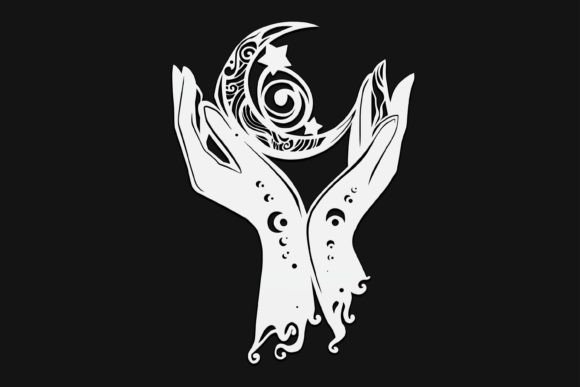
The visual personality of Hands and Moon Mandala Drawing 77 is distinct. It avoids the cluttered look that often plagues complex mandalas, opting instead for a balanced composition that feels intentional. The solid black lines in the SVG and PNG versions suggest a design built for high contrast, which is a designer's dream when planning thread colors. It doesn't scream for attention so much as it invites the viewer to lean in closer. For a small business owner or Etsy seller, this kind of quiet sophistication is gold. It suggests a brand that values mindfulness, nature, or spiritual connection without being overly cliché.
From a layout perspective, the symmetry of the mandala offers stability, while the central motif of the hands provides an emotional anchor. When I imagine this stitched onto a product, it naturally evokes feelings of care, protection, and guidance. It is not merely decorative; it carries a narrative. This makes it an excellent candidate for personalized gifts where the message is as important as the aesthetic.
Real-World Application: The Tote Bag Scenario
To truly test the mettle of Hands and Moon Mandala Drawing 77, I put myself in the shoes of a crafter preparing a custom order. Let's say I am creating a line of artisanal tote bags for a local boutique. My client wants something unique for a yoga studio opening. I pull up the design files and start visualizing the stitch process.
I picture using a rich midnight blue thread for the background fill stitches to make the white or silver satin stitch details pop against a natural canvas bag. The mandala structure works beautifully here because the circular shape centers perfectly on the front panel of a tote. However, the real test is in the execution. The hands at the center require precision. If the stitch density is too high, the fabric might pucker, ruining the clean lines of the fingers. If it is too low, the detail gets lost. In this scenario, Hands and Moon Mandala Drawing 77 shines because its clear, bold lines provide a roadmap for the machine, reducing the risk of messy corners.
Imagine the customer receiving this bag. They run their fingers over the raised texture of the embroidery. The tactile quality adds perceived value to the product. It transforms a simple canvas bag into a keepsake. This is exactly what handmade shop owners aim for: creating items that feel substantial and thoughtful. The design bridges the gap between a mass-produced graphic and a bespoke creation.
Performance Across Different Materials and Projects
While the tote bag is a perfect fit, Hands and Moon Mandala Drawing 77 is versatile enough to travel across various mediums. For apparel decorators, this design could elevate a sweatshirt or a hoodie. The mandala pattern wraps well around the curvature of a chest pocket or sits boldly on the back of a pullover. The symmetry ensures that even if the garment stretches slightly during wear, the overall balance of the design remains intact.
In the realm of home decor, consider a pillow cover or a kitchen towel. Here, the design takes on a softer, more domestic role. On a linen tea towel, the intricate details of the mandala would add a touch of elegance to a busy kitchen. For nursery decor, the gentle theme of hands and the moon fits perfectly into a baby's room, perhaps embroidered on a receiving blanket or a quilt. The key here is thread selection; softer pastel threads would soften the starkness of the black line art, making it suitable for a child's space.
For those selling digital assets or creating printable mockups, the transparency of the PNG version is crucial. It allows you to place Hands and Moon Mandala Drawing 77 over any background color to show clients how it will look before they commit to the physical production. This level of visualization builds trust with buyers who want to see the final product before purchasing.
Where to Exercise Caution
Despite its strengths, no design is universally perfect, and Hands and Moon Mandala Drawing 77 requires specific considerations to avoid common pitfalls. One area where caution is needed is on curved surfaces like baseball caps. While the mandala shape is round, the hands in the center may distort if the hoop cannot accommodate the flat stitching required for fine details. If you are working with a small hoop size, you might need to break the design into sections, which can affect the continuity of the lines.
Textured fabrics also pose a challenge. Embroidery relies on a smooth surface to maintain stitch definition. On a thick, nubby wool or a heavily textured burlap, the fine lines of the mandala might get swallowed by the weave of the fabric. Similarly, stretchy fabrics like jersey require careful stabilizer usage. Without a cut-away stabilizer underneath, the tension of the machine could cause the fabric to gather, distorting the geometric precision of the drawing.
Dense stitch areas within the hands or the inner rings of the mandala should be reviewed closely. If the design calls for too many stitches in a small area, the fabric may become stiff and uncomfortable, particularly on clothing that touches the skin. Always check the stitch density before running a full production batch. Additionally, if you plan to use this on dark fabric, ensure your digitization includes a sufficient underlay to prevent the dark base from showing through light-colored threads.
Practical Notes for the Embroidery Designer
Before you load Hands and Moon Mandala Drawing 77 into your machine, there are a few non-negotiable steps to ensure success. First and foremost, test the design on scrap fabric. This is the golden rule of professional embroidery. You need to verify that the thread colors you have chosen offer the right contrast and that the stitch density matches your fabric type. Run a quick black-and-white mockup to see how the negative space interacts with the positive elements.
Inspect the small details, especially the fingers and the inner curves of the mandala. Are they too thin to stitch reliably? If so, you may need to adjust the digitization settings or choose a slightly larger hoop size to allow for better tension control. Confirming the hoop size is essential; if the design is too large for your machine's standard hoop, you will face alignment issues when repositioning the fabric.
Stabilizer selection is another critical factor. For a design with both fill stitches and fine outlines, a combination of tear-away and cut-away stabilizers often yields the best results, providing support without leaving residue. Also, review the licensing terms carefully. If you intend to sell finished products featuring Hands and Moon Mandala Drawing 77, you must ensure your license covers commercial use. Selling digital versions of the file itself usually requires a separate agreement.
Final Verdict on Visual Appeal and Value
Ultimately, Hands and Moon Mandala Drawing 77 delivers on its promise of high-quality design assets. It possesses a visual clarity that enhances the perceived value of any finished product. Whether it ends up on a boutique item, a holiday gift, or a piece of custom apparel, the design communicates professionalism and care. Customers recognize quality when they see it, and a well-executed mandala like this one signals that the maker took time and effort.
For crafters, Etsy sellers, and creative entrepreneurs, this design is a strong addition to your portfolio. It offers a blend of artistic flair and structural integrity that stands out in a crowded marketplace. By paying attention to fabric choice, stabilizer application, and thread contrast, you can transform this digital illustration into a stunning physical object that customers will cherish. It is a reminder that good design is not just about how it looks on a screen, but how it feels in the hand.