Duck Drawing 89: A Designer's Real-World Embroidery Review
As a professional designer who has spent years evaluating digital assets for physical production, I have learned that the difference between a good project and a great one often lies in the details of the source file. When I first encountered Duck Drawing 89, my initial reaction was one of cautious optimism. In the world of machine embroidery design, cute animal motifs are ubiquitous, but finding a piece that balances whimsy with technical feasibility is a rare find. This review isn't just about what the file looks like on a screen; it is about how Duck Drawing 89 behaves when it hits the fabric under the presser foot.
The First Impression: Mood and Visual Personality
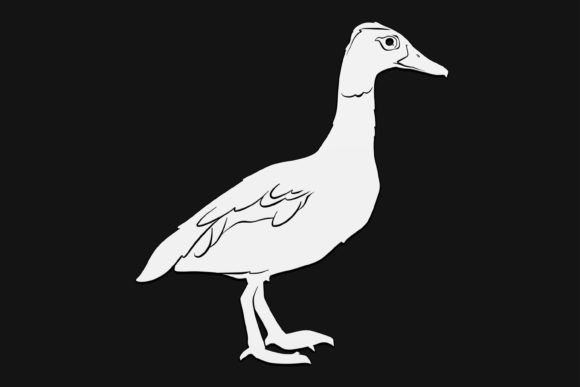
Before we even talk about stitch types or hoop sizes, we must consider the emotional impact of the artwork. Duck Drawing 89 carries a distinct mood. It feels approachable, playful, and undeniably cozy. The silhouette suggests a classic, perhaps slightly stylized duck, which immediately signals to potential customers that this is a friendly, family-oriented image. For an embroidery file intended for commercial use, this clarity of theme is crucial. It tells a story before a single thread is laid down.
Visually, the design relies on clean lines rather than intricate shading. This is a smart choice for digital graphics converted into physical stitches. The layout appears balanced, avoiding the cluttered look that often plagues amateur designs. Whether you are a small shop owner looking to create boutique branding or a crafter making personalized gifts, the visual personality of Duck Drawing 89 fits seamlessly into modern, rustic, or farmhouse aesthetics. It screams "handmade" without trying too hard.
Real-Life Application: From Screen to Stitch
Let's imagine a real-world scenario. You are preparing for a busy holiday season and decide to launch a line of custom embroidered tote bags and aprons featuring cute wildlife. You need a design that is recognizable at a glance but holds up well during the stitching process. This is where Duck Drawing 89 shines. I envision this design being perfectly placed on the front pocket of a canvas apron or centered on a sturdy cotton tote bag.
The simplicity of the drawing translates beautifully to satin stitch and fill stitch. Because the original illustration is likely composed of solid shapes, the machine can cover the area efficiently without creating excessive bulk. This makes it an excellent candidate for custom apparel like sweatshirts or baby clothes, where comfort and drape are paramount. Unlike overly detailed designs that can become stiff and uncomfortable against the skin, Duck Drawing 89 offers a smooth finish that respects the fabric's natural movement.
I also see significant potential for this design in embroidered patches. The clear outlines would allow for neat edge finishing, whether you choose a merrowed border or a laser-cut edge. Imagine selling these as standalone accessories for denim jackets or backpacks. The design's versatility extends to kitchen towels and pillow covers as well, making it a staple asset for any creative entrepreneur looking to expand their product line beyond clothing.
Where Caution Is Required: Technical Limitations
While Duck Drawing 89 is a strong contender, no design is perfect for every situation. As an experienced reviewer, I must point out specific areas where caution is necessary. If you plan to use this design in very small hoop sizes, such as those used for cuff embroidery or tiny hat brims, you may run into issues. The level of detail, while appropriate for general use, might get lost if scaled down too aggressively. Always check the hoop size requirements before committing to a final product.
Fabric selection is another critical factor. On thin, stretchy fabrics like jersey or light rayon, the tension required to hold the design together can cause puckering. To mitigate this, using a high-quality stabilizer is non-negotiable. Similarly, if you are working with dark fabrics, the contrast provided by standard thread colors might not be enough unless you carefully select your thread colors. The design itself is described as a solid black graphic, so ensuring the thread density provides full coverage over the background color is essential for a professional look.
Curved surfaces, such as caps or beanies, present another challenge. While the design is flexible, complex curves in the artwork can sometimes distort when pulled tight around a dome shape. Testing on a scrap piece of the actual garment material is the only way to guarantee success. Furthermore, if the design includes any tiny lettering or minute decorative accents, these may not survive frequent washing. For products that require durability, like workwear or items for young children, stick to the main body of the design and avoid relying on the smallest details.
Practical Notes for the Embroidery Designer
Before you start running production orders, there are several steps you must take to ensure the quality of your finished product. First and foremost, always test the design on scrap fabric. This simple step allows you to adjust the stitch density and see how the threads interact with your specific material. Do not assume that a design that works on woven cotton will perform identically on polyester blends.
Review the stitch structure closely. Look for long jump stitches that might snag or areas where the running stitch might appear sparse. If the design requires multiple color changes, ensure your machine is programmed correctly to minimize thread breaks. Additionally, inspect the small details in the corners of the design. Sometimes, digital files have artifacts or stray points that can cause the needle to hit the hoop. Cleaning up these elements can save hours of frustration.
It is also wise to test the design in black and white mockups to visualize the contrast before spending money on thread. Compare how the design looks on both light and dark backgrounds to determine if you need to add a backing layer or change your thread palette. Finally, confirm your licensing terms. If you intend to sell finished items or offer this as part of a digital embroidery file package, you must verify that the license allows for commercial use. Ignoring this step can lead to legal trouble and damage your reputation as an Etsy seller or small business owner.
Final Verdict on Value and Appeal
In conclusion, Duck Drawing 89 represents a solid investment for designers looking to add a touch of charm to their portfolio. Its strength lies in its balance of aesthetic appeal and technical practicality. It is not a hyper-detailed masterpiece meant for museum pieces, but rather a versatile, reliable asset for everyday embroidery projects.
For crafters, hobbyists, and commercial decorators, this design offers a low-risk, high-reward opportunity. It enhances the perceived value of handmade products, fosters customer trust through consistent quality, and adds a personal touch to personalized gifts. Whether you are creating a holiday collection, launching a new line of boutique merchandise, or simply adding a fun element to your own wardrobe, Duck Drawing 89 delivers. Just remember that successful embroidery is a partnership between the digital file and the maker's skill. With proper preparation and attention to detail, this design can help you create finished products that customers will love to wear and display.